Class-war rhetoric from Democratic candidates jams working-class voters into a prefabricated progressive agenda, an expert on rural and working-class communities argues.
Nope! Most all everyone just reacts to headlines and doesn’t even click through.
I guess I’m just a coastal elite, but I didn’t find the argument that Dems have tacked left and the electorate has stayed the same particularly compelling. The part about the working class identity was annoying — there’s so many people who want to think of themselves as some kind of merchant or artisan class that I don’t think really exists, and they would be much better off if they realized that if you live off the income you get from your work, you’re working class. Overall, I didn’t find the analysis persuasive.
I agree. The author presents a thesis that Democrats have tracked left, and then presents two issues where they have (abortion, job guarantees), one issue where they have returned to where they were in 1990 and the working class has tracked right (healthcare), and then just an identity question (liberal) which is not actually an issue. It’s far from a comprehensive data analysis.
The author misses out on a huge area where Democrats (and the left in general) have consistently gotten worse at: communication and persuasion. Part of this is the failure of the Democrats to identify, push, and promote charismatic candidates (find a single human being who feels more excited about left ideas after hearing Pelosi, Jeffries, or Schumer talk). The other big part is the concentration of media power in fewer organizations and more ideologically right owners. Even more, the party of the young whiffed on social media entirely which could have lessened the impact of the latter part.
I also disagreed, but I can’t coherently argue why, which is obviously a sign to reflect on my opinions.
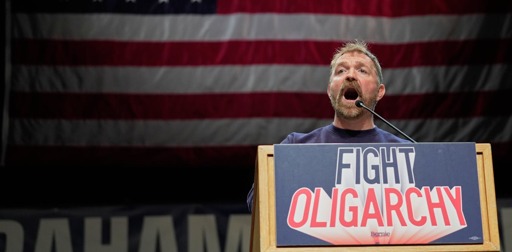
One thing that stood out to me was the broad, encompassing usage of “left”. The author lumps together the theatrical leftism like this photo with political leftism like codified worker protections.
I did think he made an excellent point that “down with oligarchs!” isn’t going to resonate with a lot of working class people.
edit: I also think the author failed to acknowledge that conservative think tanks and media savvy have certainly influenced opinions and even the LANGUAGE used to discuss topics among all classes, so to imply that the working class hasn’t changed at all isn’t fair.


damn, didn’t ANYBODY in the comments section bother to read the article?
Nope! Most all everyone just reacts to headlines and doesn’t even click through.
I guess I’m just a coastal elite, but I didn’t find the argument that Dems have tacked left and the electorate has stayed the same particularly compelling. The part about the working class identity was annoying — there’s so many people who want to think of themselves as some kind of merchant or artisan class that I don’t think really exists, and they would be much better off if they realized that if you live off the income you get from your work, you’re working class. Overall, I didn’t find the analysis persuasive.
Everybody who says the democrats - who are right wing by international standards - are too left are just lying.
I agree. The author presents a thesis that Democrats have tracked left, and then presents two issues where they have (abortion, job guarantees), one issue where they have returned to where they were in 1990 and the working class has tracked right (healthcare), and then just an identity question (liberal) which is not actually an issue. It’s far from a comprehensive data analysis.
The author misses out on a huge area where Democrats (and the left in general) have consistently gotten worse at: communication and persuasion. Part of this is the failure of the Democrats to identify, push, and promote charismatic candidates (find a single human being who feels more excited about left ideas after hearing Pelosi, Jeffries, or Schumer talk). The other big part is the concentration of media power in fewer organizations and more ideologically right owners. Even more, the party of the young whiffed on social media entirely which could have lessened the impact of the latter part.
I also disagreed, but I can’t coherently argue why, which is obviously a sign to reflect on my opinions.
One thing that stood out to me was the broad, encompassing usage of “left”. The author lumps together the theatrical leftism like this photo with political leftism like codified worker protections.
I did think he made an excellent point that “down with oligarchs!” isn’t going to resonate with a lot of working class people.
edit: I also think the author failed to acknowledge that conservative think tanks and media savvy have certainly influenced opinions and even the LANGUAGE used to discuss topics among all classes, so to imply that the working class hasn’t changed at all isn’t fair.