

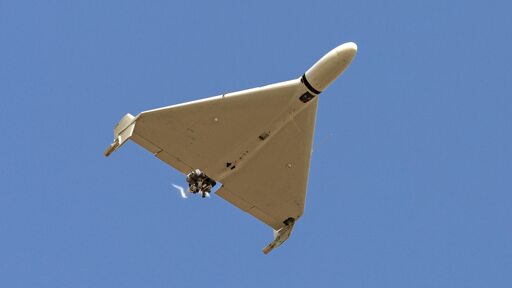
Too be fair Gavin Newsom would LOVE to play a role like Guiliani did after 9/11, it was the prime of his life and the righteousness came quick and hard to silence critics in those days… Gavin might actually have a remote chance to win president as a heroic and embattled defender from terrorism in a way that he could never win if he is stuck having to actually talk about policy during “peacetime”.
Welp, prepare for war my friends. It is coming to the US far faster than I think people want to admit they logically know it is.
Hours after a terrorist attack on California, Techbros will have already spammed an astroturf campaign using military AI flush with government contract cash about how the only way to make sure this never happens again is to fully eradicate civil liberties and privacy rights and all of California will eat it up hook line and sinker because people in California think they aren’t as stupid as people everywhere else due to having so many tech companies nearby and so they will think “this is a New Thing” and “we should Just Trust The Authoritarians Who Have Our Best Interests At Heart.”
Meanwhile all regulation of big tech will flip on its head and become regulation of the government by big tech.
Then conservatives all over the country will say “look this is why liberals can’t keep you safe and be strong men on foreign policy like us!” and the mainstream media and center of the US will eat that narrative right up too, slamming the afterburners of fascism and rightwing bigotry in this country all the way up to 11 in a matter of days.
Do you see how vulnerable the US is? Why we need to take this dead seriously? If you fly one drone into the mainland US, everybody will lose their minds and the current political status quo will fly apart quicker than anyone expects… and it if it happens it will most certainly benefit extremist rightwing conservatives who don’t give a fuck about keeping you safe, they just want to kill more brown people.
Their weapons literally cannot reach that far. This is just fear mongering.
No it is not baseless fear mongering, a small unmanned sea vehicle can easily transit an entire ocean given enough time especially if it sits low in the water like a “narco sub” type design, we aren’t talking about hard limits on missile ranges here.
Further see designs such as the Sail Drone or Australian Blue Bottle that can easily wander across much of the world on low to almost no power use while employing sensors and potentially even weapons (as in the case of the Sail Drone).
Japan was able to lob weather balloons over the US during WW2, floating a simple long endurance drone launch vehicle across the Pacific Gyre into range of a western US city is absolutely feasible.
Now… if it was the Ukranians we were fighting, they would have already figured out how to do it on mass and would be hitting US littoral infrastructure everywhere, but thankfully we aren’t facing such a competent maritime military, yet even still the possibility is absolutely within the realm of reason and for political objectives it may very well be worth the risk and cost for an actor like Iran to do.
As I have pointed out elsewhere in this thread, it is not something to fear as some kind of apocalyptic mass destruction and shahed attacks, the distance as you have pointed out is far too great for that.
However, a handful targetted to create maximum media panic and influence US politics? That is an entirely different calculation, your attack will work even if the execution is utterly bungled so long as somebody discovers the wreck of your unmanned vessel wrecked on the shore of the West Coast and reports it to the police.
As a final note, your self assured smugness that the US could not come under attack is well inline with historical US naivety around the imperviousness of the US from attack because “that stuff is happening over there far away”. It is well documented how the US failed to properly convoy commercial shipping along the East Coast of the US during WW2 for an egregious length of time even as German U-boats were sinking ships left and right off the US coast. The British in particular got really pissed off that they would convoy a shipping fleet across the Atlantic and then the US would take over in US waters and then leave the door wide open to a U-boat sinking the ship 50 miles from its destination US port after it made it all the way across the Atlantic.
https://www.history.navy.mil/about-us/leadership/director/directors-corner/h-grams/h-gram-008/h-008-5.html
Never EVER listen to journalists when they tell you war is new, only listen to people who actually have studied war because the lazy narratives people repeat are ahistorical, very misleading and totally turn you around from understanding things as they truly are and how they fit into the context of military history.