The ICE officer who fatally shot 37-year-old Renee Good in Minneapolis on Wednesday has been identified as Jonathan Ross, who was the same officer who was dragged 50 yards in Bloomington back in June 2025.
The problem is that he could also probably use a federal immunity defence. The prosecutors need time to plan out a good way to attack this defence. The worst possible outcome would be to file charges now, unprepared, and then the guy gets acquitted at trial which forever bars future state prosecution for that offence, or the case is dismissed because prosecutors failed to present a good argument for why the accused is not immune. Prosecutors have only one chance so they tend to make sure their case is as good as they can get before shooting their shot.
It’s actually very rare for murder trials to be argued over whether the accused killed the person in question. Usually, the argument stems from whether the killing counts as murder or whether the evidence that the accused killed the victim is legally admissible.
He will still try to argue that, and prosecutors need to come up with real reasons why it doesn’t apply. Defence lawyers are not stupid and they will probably think of a way to argue immunity. Those arguments must be anticipated, researched, and rebutted.
Generally speaking, law enforcement can arrest someone based on arrest warrants nationwide, although typically, what happens is that the governor of the state where the crime was committed will make a written extradition demand to the governor of the state where the accused fled to. The receiving governor is constitutionally bound to turn over the person in question, although in reality, for political cases, this can get bogged down in political arguments, and it can result in the governor or attorney-general of one state suing another to force them to arrest the person in question.


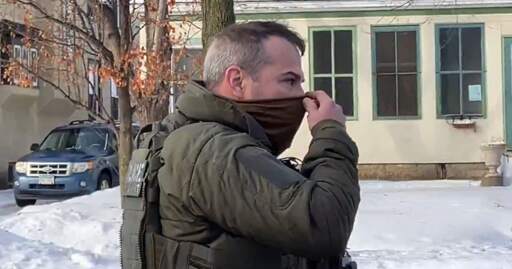
The problem is that he could also probably use a federal immunity defence. The prosecutors need time to plan out a good way to attack this defence. The worst possible outcome would be to file charges now, unprepared, and then the guy gets acquitted at trial which forever bars future state prosecution for that offence, or the case is dismissed because prosecutors failed to present a good argument for why the accused is not immune. Prosecutors have only one chance so they tend to make sure their case is as good as they can get before shooting their shot.
It’s actually very rare for murder trials to be argued over whether the accused killed the person in question. Usually, the argument stems from whether the killing counts as murder or whether the evidence that the accused killed the victim is legally admissible.
He’s not immune because he shot a woman in her head for no reason, not related to his duties whatsoever.
He will still try to argue that, and prosecutors need to come up with real reasons why it doesn’t apply. Defence lawyers are not stupid and they will probably think of a way to argue immunity. Those arguments must be anticipated, researched, and rebutted.
Yeah I get that, but murder
Well, to put it simply, you say “murder” he says “nuh uh”. Now you have to prove he’s wrong and why or he gets off.
I seent it
What happens if he just leaves the state?
Generally speaking, law enforcement can arrest someone based on arrest warrants nationwide, although typically, what happens is that the governor of the state where the crime was committed will make a written extradition demand to the governor of the state where the accused fled to. The receiving governor is constitutionally bound to turn over the person in question, although in reality, for political cases, this can get bogged down in political arguments, and it can result in the governor or attorney-general of one state suing another to force them to arrest the person in question.
Thank you. I assumed this would become political and difficult if he was allowed to leave the state.