

What the AI slop did I just read? That wasn’t even edited.
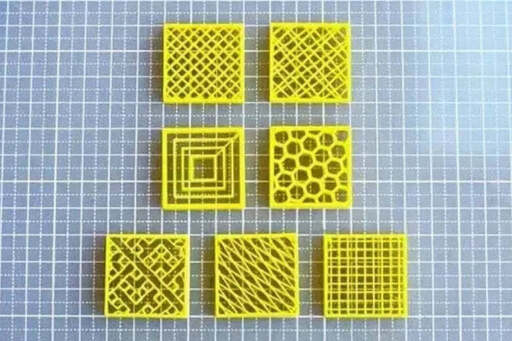
The infill selections for comparison don’t make a lick of sense, and one of the tables doesn’t even have content that matches its introduction.
What a waste of time.
Edit: 57 upvotes? What the hell. Does nobody read the article?
What a load of AI slop. We can do bether than this!
Strength Characteristics Graphene can be 10 times stronger than steel at 5% density.
What does that have to do with 3d printing?This reads like just another slop article, repeating a bunch of platitudes in different ways. Sure it has some facts, but could have been way shorter and more concise, or the same length and much more informative.
I’ve found 100% infill weaker than something like 60%, it won’t break per se, it would delaminate. Also number of walls is really important you can dial down infill to 20-25% if you have 6 walls or more.
I often print 3 walls and 10% infill and the prints are plenty strong. These are not high stress objects, but they can take plenty of stress without breaking.
I did print some curtain rod holders for some outdoor curtains. They had 3 walls and I think 25% infill. They do get a lot stress from the wind blowing, but they have held up very well in the 3 months they have been up.
It would be cool to have a variable density infill that reduces with distance from the wall. Not sure how that would work in practice with most infill types.
OrcaSlicer has things like Adaptive Cubic or Lightning patterns that have more infill near the walls.
The other members of that slicer family (BambuStudio, PrusaSlicer, etc) likely have them too.
Lightning infill is absolutely bonkers WRT material efficiency and print speed for large parts. It doesn’t offer the same level of strength as something like adaptive cubic though, but it’s faster and uses less material.
