

cross-posted from: https://beehaw.org/post/24014988
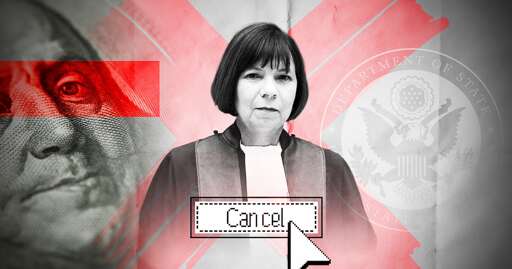
This summer Kimberly Prost, a Canadian judge at the International Criminal Court (ICC), arrived at her home in The Hague and, as was her habit, called out “Alexa”.
There was silence. The voice-activated assistant did not respond. “Alexa was dead. She wouldn’t talk to me,” Prost recalled in an interview with The Irish Times.
Prost had been added to the United States’ sanctions list, because in 2020 she ruled to authorise an investigation into possible atrocities in Afghanistan, including by US troops. Amazon, obliged to implement the sanctions as a US company, had cancelled her account.
It was just the start of what Prost describes as a “pervasive, negative effect” of the sanctions across all aspects of her life, which has shut her out from much of the international banking system.
Many national systems.
Direct free instantaneous bank transfers in the SEPA member states. And the systems built upon it like ideal/wero/blue chip and others.
As far as I know most of Europe favors debit instead of credit cards. Financial life in the EU is organised completely differently from North America (well, at least from USA and Canada, haven’t been to Mexico yet).