

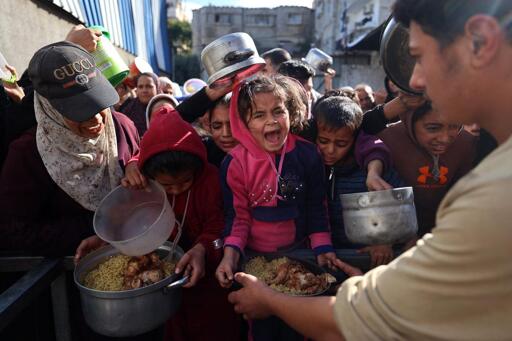
On December 31, several dozen international non-governmental organizations (NGOs) expect to find out whether Israel will permit them to operate in the Gaza Strip. Most of these humanitarian actors have been present on the ground for years, with mandatory accreditation from Israeli authorities.
In a joint statement published on December 17 with more than 200 international and Palestinian organizations, United Nations agencies warned that their exclusion would have “a catastrophic impact on access to essential and basic services” needed by some two million Palestinians surviving amid ruins, winter floods and a fragile ceasefire after two years of a devastating war waged by the Israeli army following the Hamas terrorist attacks on October 7, 2023.
The new directives require international NGOs to submit lists of their Palestinian staff, who are then subject to security vetting, and to refrain from any activity deemed to “delegitimize the State of Israel” – a criterion considered vague and politicized by humanitarian workers and diplomats. If vetoed, an NGO loses the right to have international staff in Gaza or to bring in aid – a ban already affecting dozens of organizations whose status has been in limbo since March. Israeli authorities defended the move as a means to exclude any “hostile” actors. NGOs see it as the politicization of humanitarian assistance and a drastic tightening of working conditions.
FIFY