

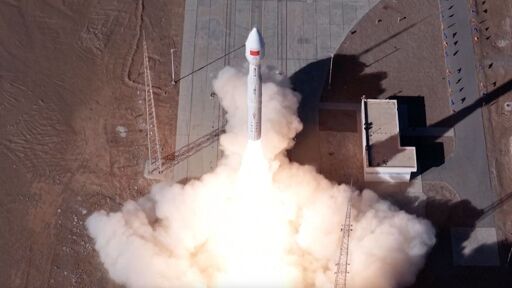
“As far as we know, no coordination or deconfliction with existing satellites operating in space was performed, resulting in a 200 meter close approach between one of the deployed satellites and STARLINK-6079 (56120) at 560 km altitude.”
“As far as we know, no coordination or deconfliction with existing satellites operating in space was performed, resulting in a 200 meter close approach between one of the deployed satellites and STARLINK-6079 (56120) at 560 km altitude.”
Possible, but not at all likely. The joy of orbits are they’re pretty predictable because after the energy is applied the object just keeps following a path. To get a higher circular orbit would require deceleration at the right point to stabilize it. If this doesn’t happen, and it doesn’t in a collision, you will have a new orbit that will more or less pass through the altitude of the impact. So while it may have a higher apogee, it will have a lower perigee, which means it will suffer more drag due to more atmosphere. So the vast majority of debris from the collision of a LEO satellite collision will naturally deorbit, possibly faster than if the satellite hadn’t just become inert in its orbit.