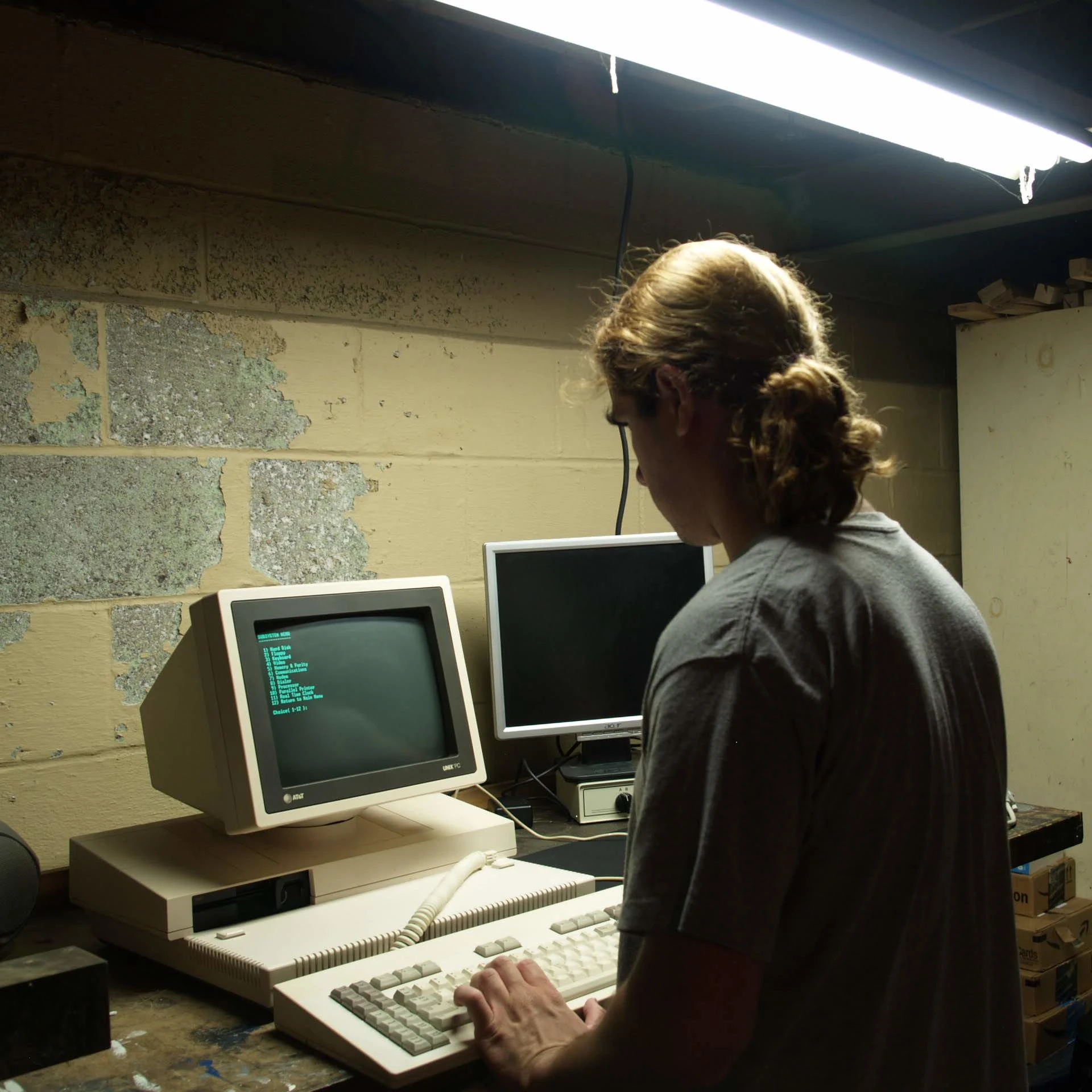
Dr Who?
Kronos the Reaper
Jeremy Bearimy.
Jokes that only work in text.
Edit: Also, I appreciate you @[email protected] - you’re doing the Lord’s work!
Do you pronounce being and being differently?
In isolation, no. But in this meme they are pronounced differently because intonation is different between the two phrases, and as exemplified here: inTOnation is AN inteGRAL part OF lanGUAGE.
“for the time BEing” vs. “for the TIME being”
In both cases you’re stressing the modifier, but in the former “being” is the modifier, while in the latter “time” is, so we get a prosodic stress contrast between the two.
You’re over pronouncing it. You just say it normally and the joke works perfectly fine vocally.
a common thing people with autism and adhd is auditory processing issues, so it could work auditorily for them.
i said it out loud in a few different ways and it sounded the same to me, but it could be a regional thing ¯\_(ツ)_/¯
It’s really interesting that they sound the same to you! I’d expect both to have merged to the “for the TIME being” stress pattern in that case - does that match your intuition?
Interesting, I process time being as a set idiomatic phrase rather than a modifier+ so there’s no need for emphasis on one part or the other. And time being as similar to human being wouldn’t get emphasis unless it was contrasting with a different kind of being. But I also think we’re muddying different types of stress, namely word stress vs prosodic stress. I think your reading has to do with the latter but your example is about the former.
Noone can see the time being. Ask him.